iGaming SEO helps licensed operators attract eligible players through search and answer the questions that stand between a visit and a sign-up. A page must show whether the product is available in the player’s market, explain the offer and make its terms easy to check. Search engines also need to access that page, and relevant publications can help the right audience find it. An iGaming SEO agency should be able to show which of those problems it will solve first. If its plan starts with a keyword list, ask which page a player will land on and what they will learn there.
The Gap Between Traffic and Sign-Ups
A player finds your welcome offer through Google. The visit appears in your report, but the player still needs to decide whether to sign up. They look for the eligibility rules, the games that count toward the offer, and whether it is available in their location. If those details are buried beneath a sign-up button, they may leave. The page earned the click but did not answer the questions behind it.
Put the main conditions close to the offer and make the full terms easy to reach. Then check what players ask your support team. Repeated questions can show you where the page needs a clearer answer. The aim is to help the right person decide with confidence, even when the offer is not suitable for them.
One Offer Cannot Serve Every Market
An iGaming page should tell visitors what is available where they live. Products, offers and rules can differ between markets, including from one US state to another. Before publishing a location page, check the operator’s approved products and terms for that market, then make the eligibility clear on the page. Review it again when an offer or rule changes. Replacing a state name in copied text may create another URL, but it will not give a local player a reliable answer.
Give Players a Way to Check
A visitor should be able to tell who runs an iGaming site and whether it is authorised to serve their market. This matters when they are about to create an account or consider an offer. A licence badge alone asks them to take the claim on trust. For a Great Britain audience, the UK Gambling Commission’s public business register lets people search by operator name, trading name or domain and check the licence status. Other markets need their own relevant source.
Make the offer just as easy to assess. Put its main conditions where players can read them and link to the full terms. Account help and responsible play information should also be easy to reach. A visitor who can check the operator and understand the offer has a sounder basis for deciding whether to sign up.
Fix the Pages Players Already Visit
Before commissioning more articles, check the pages closest to a player’s decision. Can search engines access them? Does the page answer what its search result promises? A game guide may need clearer rules, an offer page may need its key conditions near the top, and a help page may need steps a customer can actually follow. Look at questions your support team receives again and again. They can reveal gaps an SEO report misses. Improve those pages first, then create a new one when a question genuinely needs its own space.
What an iGaming SEO Agency Should Check First
An iGaming SEO agency should begin with the operator’s target markets and the pages players already visit. It should check whether search engines can access those pages, whether each one answers the question behind its search result, and whether offers and location claims match the operator’s approved terms. The review should also look for pages that compete for the same search, internal links that send players to the wrong place, and publisher placements that do not fit the audience. The result should be a clear order of work: fix the pages that confuse players first, then decide where new content or outreach would help.
A five-minute page check
Find the page that needs help first
Open one page that receives search traffic. Read it as a new player, then work through these questions.
Can this player use the offer?
Check whether the page names the right market and makes eligibility easy to find.
Can they understand the terms?
Look for the main conditions beside the offer and a clear route to the full terms.
Does the search result keep its promise?
Compare the page title with the answer on the page. A click should not lead to a different subject.
Where would they go next?
Check that links to help, operator details and responsible play information are easy to reach.
Give Every Page a Purpose
A player who opens a review wants to know how the operator was assessed. Someone reading a game guide wants the rules. An offer page should explain who qualifies and where to find the full terms. A support page should help an existing customer solve a problem. Keep a narrow answer on a relevant page when it fits there. Give a more involved comparison its own guide, then link the pages where a reader would naturally need the next answer.
Clear pages also help search systems understand your site. Google says its usual SEO practices remain relevant to AI Overviews and AI Mode. Keep important information in readable text and make sure the page can be indexed and shown in Search with a snippet. That makes it eligible to appear as a supporting link in those AI features, though it does not guarantee a citation.
A Link Needs a Reason to Exist
iGaming backlinks can introduce an operator to readers on another site. The proposed article should belong on that publisher. A useful piece about how to compare an offer may give readers a natural reason to visit a page with clear offer terms. A casino link dropped into an unrelated article has no such reason.
Look past the publisher’s headline metric. Read its recent work. Who does it serve? Does it cover the proposed subject with care? Would you still want your brand in the article if the link had no SEO value? These questions help you assess whether the placement has a real audience.
GrowLinko’s managed iGaming backlink service is a focused option for operators and agencies that need placement support. Bring the target markets, approved claims and destination pages into that conversation. A publisher choice is easier to assess when everyone knows whom the article is meant to help.
Check Where the Link Lands
A relevant article can send the right player to your site and still lead them to a dead end. Before outreach starts, open the destination page as if you have never seen it. Does it deliver what the publisher’s article promises? Can the player find the terms they came to check, and is the offer available in their market? Use link text that describes that page in normal language. If the article promises an answer about bonus eligibility but the link opens a generic sign-up page, fix the destination before you pay for the placement.
Know What the Placement Buys
A paid article can introduce your operator to readers on a relevant publication. It does not buy a higher Google ranking or a place in an AI answer. Google’s spam policy covers links bought to manipulate rankings. It also addresses third-party content placed on a site mainly to benefit from that site’s established ranking signals. Paid links should use rel="sponsored" or rel="nofollow"; Google prefers sponsored for a paid placement.
Ask the agency what it will deliver before you choose a package. Who checks that the publication reaches an audience in your target market? Who writes and reviews the article? Can your team approve its claims and destination link? What will the final report show? In iGaming, the article also needs to fit the operator’s approved products and the publisher’s editorial rules. Those answers give you a way to judge the placement itself, without relying on a promise of instant authority.
Start With the Problem on Your Site
A site with hard-to-find terms, weak content or technical issues needs more than publisher placements. If its important pages already answer players’ questions, relevant outreach may be the next step. GrowLinko’s service packages offer broader options, and its managed iGaming backlink service focuses on placements. Before choosing either, ask which pages the work will support, how publishers will be selected and what the final report will show. The right service should solve a problem your site has now.
See What Players Did Next
A higher ranking is useful, but check what happened after people clicked. Did the right searches lead players to the right pages? Could they find the offer terms and confirm that the product was available in their market? Did a publisher send visitors who showed interest, or only add another link to the report?
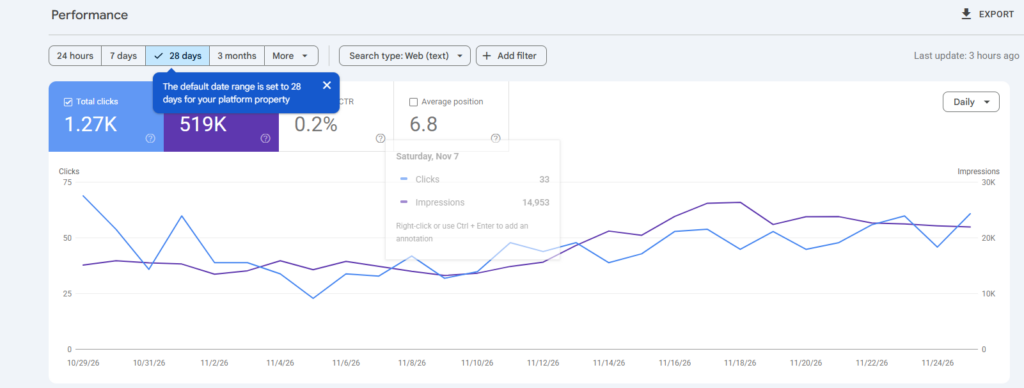
Track those answers alongside search performance. If you test AI responses, save the exact question, date and cited URL, then check whether any visits followed. One AI mention is an observation, not proof that a campaign caused it. If players arrive from Google, a publisher or an AI answer and still cannot work out whether the product is right for them, you have found the next page to fix.